
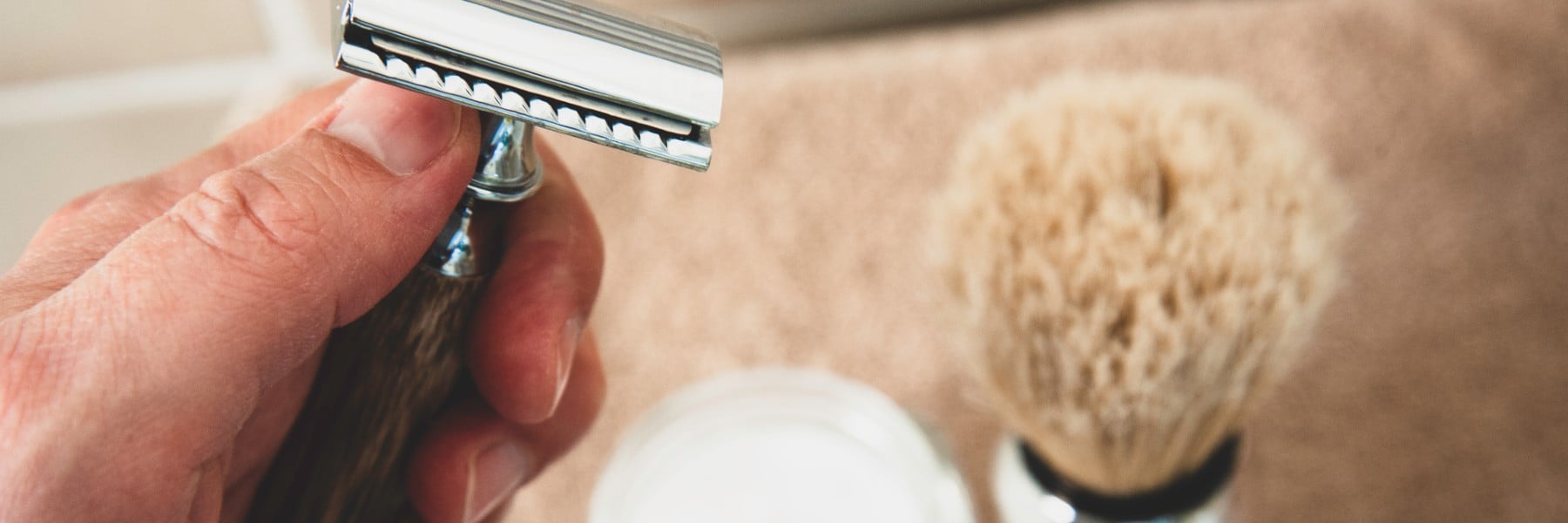
Focus on the start of work
The freedom of the holiday often means that the planer gets to rest, but when everyday life starts, a completely different standard is required. Going from weeks of free growth to a clean, razor-sharp shave isn’t just about aesthetics – it’s about regaining control and setting the tone for fall. With the right preparation, classic tools and a well-thought-out technique, you can transform the daily wet shave from a necessary evil to an uncompromising style statement. Here are the four crucial steps that will take your shaving routine from casual holiday stubble to absolute office sharpness
Executive summary
Trim down the growth first
Do not try to plane away several weeks of holiday stubble right away. Cut the length with a trimmer or scissors so that you are working with a short, manageable base.
Load with a brand new sheet
The old blade in the razor is dull and will only pinch the skin and hurt the face. Insert a fresh, razor-sharp blade right away.
Soften and protect with a shaving brush and quality soap
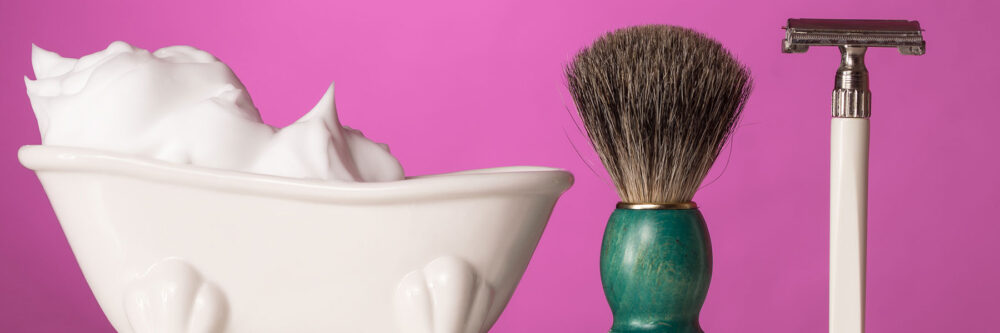
Use a shaving brush to work up a rich, warm lather from a high-quality shaving soap or shaving cream. The brush raises the hairs, massaging the skin and creating the heavy, lubricating protective barrier required when the razor is to meet coarse growth.
Shave only with the hair to protect the skin
Since your skin is not used to the daily razor, stick to simple strokes with the hair. It provides a tidy and professional finish with no red dots or razor burn for Monday meetings.

Trimming down before wet shaving
Putting a sharp safety razor straight against a three-week untouched holiday stump is the fastest way to destroy both razor blades and skin. When the beard hairs have been allowed to grow freely during the summer, they become both longer, stiffer and denser. If you try to plane away this outgrowth in a single stroke, the blade will immediately clog, pinching the hair follicles and forcing you to press harder than is safe.
Cut the length before the blade meets the skin
The first step back to a commercial wet shave is therefore about rough work. Before you even think about soaking the shaving brush or picking up the razor, you need to cut the worst length. By using a beard trimmer without a spacer comb, or a sharp pair of scissors for the longer hairs, you reduce the growth to a short and even base.
The goal here is not to achieve a smooth shave, but to peel off the volume so that the skin becomes accessible again. When you cut the stubble down to about 1 millimetre in length, you create the optimal conditions for the classic shaving craft. This allows the razor to glide unhindered over the contours of the face later without encountering a massive resistance of tangled hairs.
By trimming your beard in advance, you also save on your tools and significantly reduce the risk of injury. A razor blade that has to cut through long, dry hairs loses its absolute sharpness in just a few strokes. As a result, you need to rinse the razor constantly, which interrupts the flow and increases the chance of razor burn.
Spare the blade and get the right starting position
When you’re done trimming, you’ll be faced with a perfect, short stubble that’s ready to be softened and shaved for real. You’ve now eliminated the risk of blade pinching during wet shaving, and you’ve laid the first and most important foundation for stepping into the office with a completely spotless finish.
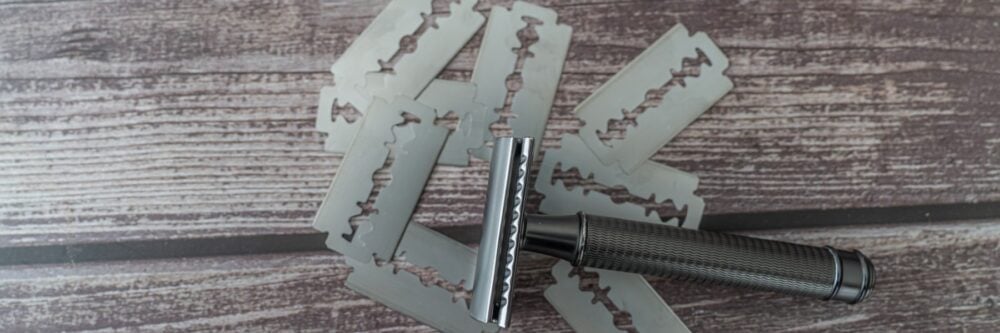
Load with brand new sheet
Returning to the working week with the razor blade that was in the razor before the holiday is a guaranteed path to a failed wet shave. A blade that has already done several shaves and then been unused in the bathroom moisture has lost its absolute edge. The steel can have microscopic damage and coatings that mean that it no longer cuts off the beard hairs cleanly, but instead tears and pulls on the hair follicles.
A fresh leaf makes all the difference
When you’re faced with the task of reclaiming a businesslike look, you need wet shaving tools that perform at their best. By inserting a brand new, razor-sharp blade, you immediately eliminate the resistance created by a dull blade. A fresh blade cuts through the blades with minimal friction, which means you don’t have to drag the planer over the same area over and over again.
Repeating the same traits on already sensitive skin is the main cause of redness, ingrown hairs and razor burn. With a brand new edge, a single controlled pass is usually enough to remove the stump. It saves both time in the morning and spares the face from unnecessary wear and tear after a long break.
In addition, the precision of a safety planer is about letting the tool do the job without pressure. If the blade is dull, you are inevitably tempted to press the razor harder against the skin to get a smooth result. That’s when cuts and irritation occur, which is the last thing you want to show off at Monday morning’s first meeting.
Invest in precision and skin health
Changing the blade is one of the easiest and most cost-effective steps in the classic wet shave, but it is also the one that gives the greatest effect. When restarting your post-holiday routine, a fresh steel is not a luxury, but an absolute prerequisite for achieving the cleanest and most professional finish.

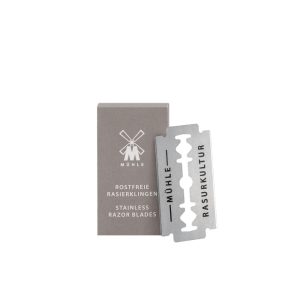


Soften and protect with a shaving brush and quality soap
Applying shaving cream or shaving soap directly with your hands is a shortcut that doesn’t belong in a business shaving routine. After weeks without a razor, the beard hairs are often stiff and lie flat against the skin, making it difficult for the blade to access. Skipping the proper preparation will force the razor to work directly against a dry and unprepared surface, significantly increasing the risk of cuts and skin irritation during wet shaving.
The brush raises the bristles and builds protection
This is where the combination of a good shaving brush and a quality soap makes the crucial difference. When you work up a lather with the brush and apply it in circular motions, you force the beard hairs to rise from the skin. At the same time, the hot lather softens the structure of the bristles, allowing the blade to cut through them with significantly less resistance.
By using a proper shaving brush, you not only soften the beard, but you also gently exfoliate the skin and remove dead skin cells. This means that the shaving surface is completely smooth and clean. This process creates a dense and lubricating layer that allows the razor to glide seamlessly over all contours of the face without creating chafing during wet shaving.
A quality cream or a classic shaving soap also contains nourishing ingredients and fats that add moisture during the shave itself. It protects the skin’s natural barrier, which is absolutely crucial when you return to daily wet shaving after an extended period of rest. You avoid the tight and dry feeling that often occurs after a careless shave.
Set the foundation for a professional result
When you invest a few minutes in building a real lather, you transform the wet shave from a moment of friction into a controlled and pleasant routine. The result is not only a cleaner and closer wet shave, but also skin that looks well-groomed and healthy throughout the working day.


Shave only with the hair
Throwing yourself straight at a counter hair shave when your skin hasn’t felt a razor blade for weeks is the surest way to suffer severe irritation. After a long period of rest, the skin surface is extra sensitive, and the young hair follicles immediately react negatively if you cut the hairs below skin level. The result is not the smooth finish you are aiming for, but rather red dots, razor burn and ingrown hairs that ruin the whole impression.
Follow the direction of the beard hairs to spare the skin
The final step in the transition is therefore about curbing the ambition and shaving only by the hair. By studying the beard’s growth direction and letting the razor work in exactly the same direction, you reduce the strain on the skin to an absolute minimum. The blade cuts the hair cleanly and neatly without pulling on the hair follicle or shaving away the protective outer layer of skin.
This method requires a modicum of patience, but it ensures that you step into Monday meetings with a clean, fresh, and professional look. The skin has time to get used to the daily contact with the steel without becoming inflammatory or red. It’s about building up the skin’s resilience step by step during the first few days of work.
When you shave with the hair, you still get a perfectly clean and well-groomed line that looks razor sharp from a distance. This is more than enough to achieve a strict, business-like standard. You avoid the risk of sore skin under the shirt collar, which means that you can focus completely on the job instead of being bothered by razor burn.
Build up the routine and save the counter hair shave
By sticking to controlled, co-hair strokes during the first week, you’ll lay the foundation for a sustainable shaving routine throughout the fall. Once your skin has recovered and become accustomed to the daily stress, you can gradually introduce a second pass across or against the hair for that completely uncompromising babylena feeling.
Questions and answers about wet shaving after the holiday
Why shouldn’t I shave off the entire holiday stump with a planer right away?
Long and coarse beard hairs clog the razor blade immediately, causing it to pinch the hair follicles and damage the skin. By cutting the worst length with a trimmer first, before wet shaving, you create a short and even base that the razor can easily work with.
Do I have to change the razor blade if the old one was barely used before the holiday?
Yes. A leaf that has been left in a damp bathroom during the summer loses its absolute sharpness and may have microscopic coatings. A dull blade pulls on the blades and causes razor burn, so always load up with a completely fresh blade before the first wet shave.
Why is it so important to use a shaving brush after a shaving break?
The brush raises the beard hairs so that the razor can access them properly, while the warm lather softens the coarse growth. In addition, the brush exfoliates away dead skin cells so that the shave surface is completely smooth before wet shaving.
Should I shave with the hair or against the hair the first week back at work?
Shave only with the hair. The skin is extra sensitive after the holidays, and a counter hair shave cuts off the hairs below skin level, leading to red dots and ingrown hairs. Save the wet shave against the hair until the skin has gotten used to it again.
How do I avoid cutting myself when I restart my shaving routine?
Cut the growth in advance, use a new and sharp blade and let the safety razor’s own weight do the work during wet shaving. Never press the planer against your face. A lot of pressure is the most common cause of cuts.
What do I do if my skin feels dry and tight after the summer’s sunbathing?
Prepare your face thoroughly with a shaving oil before applying the lather. It provides an extra layer of moisture and glide that protects the dry tanned skin from the blade during wet shaving.
How do I end wet shaving to soothe irritation and redness?
Rinse your face with ice-cold water to close pores and soothe skin. Always finish your wet shave with an alcohol-free, hydrating aftershave balm that restores the skin’s natural barrier.
How long does it take for the skin to get used to daily wet shaving again?
It usually takes about one to two weeks for the skin to adjust. Stick to a gentle routine with hair during the first week to avoid unnecessary flare-ups of irritation.
What is the most important quick test to know if wet shaving has become commercial?
The beard lines should be clean and sharp, and the skin should be free of redness or red spots under the shirt collar. A tidy hair shave gives a completely spotless finish from a distance without provoking the skin.